Allergies affect sleep quality
You may be among the many people who suffer from respiratory allergies and struggle to enjoy restful sleep. If you wake up frequently or have trouble falling asleep, it may be due to high levels of histamine in your blood. Histamine is released by the body in response to allergens such as pollen and dust. It can trigger rhinitis symptoms caused by inflammation of the mucous membranes and may also disrupt the regulation of the circadian rhythm (sleep–wake cycle). Depending on the severity of allergic rhinitis, it can even lead to sleep apnea.
Quality of life can suffer, with the most common consequences being daytime drowsiness, memory issues, and mood swings. Consulting an allergist is recommended to find appropriate treatments and reduce nighttime symptoms. All useful information is available on the Swiss Allergy Centre website.
Bedroom hygiene
Four simple but effective preventive actions to adopt:
Here are some tips to improve your sleep quality despite allergies:
1. Hydration
Staying hydrated throughout the day helps keep mucus fluid and easier to clear.
2. Evening ventilation
Air your bedroom just before going to bed. Avoid airing it in the morning upon waking, as pollen is mainly released between 5 a.m. and 10 a.m.
3. Washing your hair in the evening
Washing your hair helps reduce the amount of pollen carried into your bedding.
4. Nasal cleansing
Using a nasal spray helps remove lingering pollen particles that may cause inflammation.
Natural materials for a perfect night’s sleep
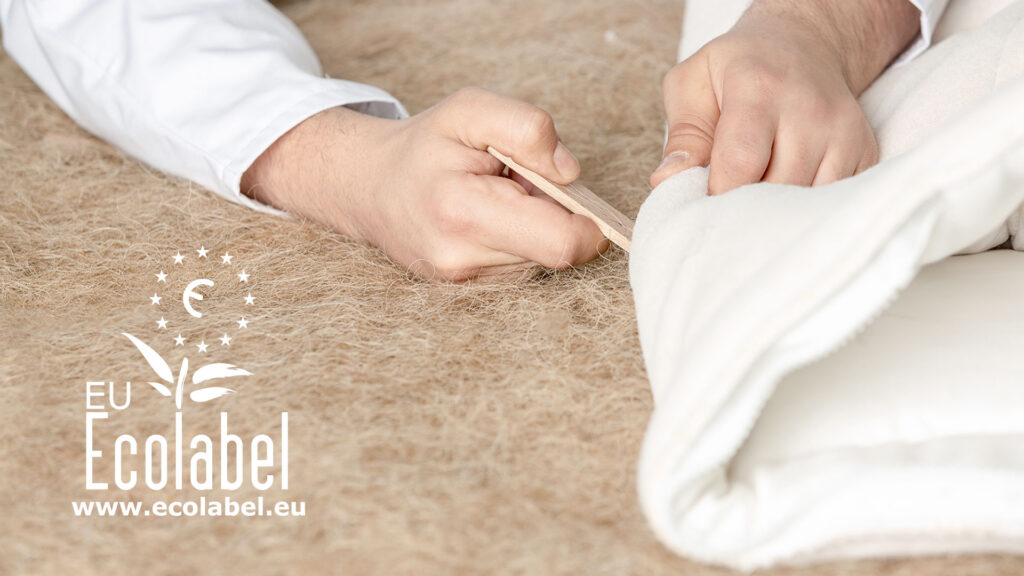
If you find yourself sneezing continuously at bedtime, the source may lie within your bedding. The filling of your pillow, duvet, or mattress could be the cause. Choosing a mattress made with natural, hypoallergenic, and non-allergenic materials is preferable.
Cotton, for example, offers excellent breathability, bringing freshness and breathability to your mattress, while also being naturally non-allergenic.
Ingeo fiber, naturally hypoallergenic and derived from corn, absorbs moisture and helps regulate body temperature.
Another lesser-known but equally interesting material is Seacell fiber, which, thanks to its silver content, has antibacterial properties that help preserve freshness while you sleep.
Elite masters the careful combination of natural materials to create exceptional bedding designed for restorative sleep.