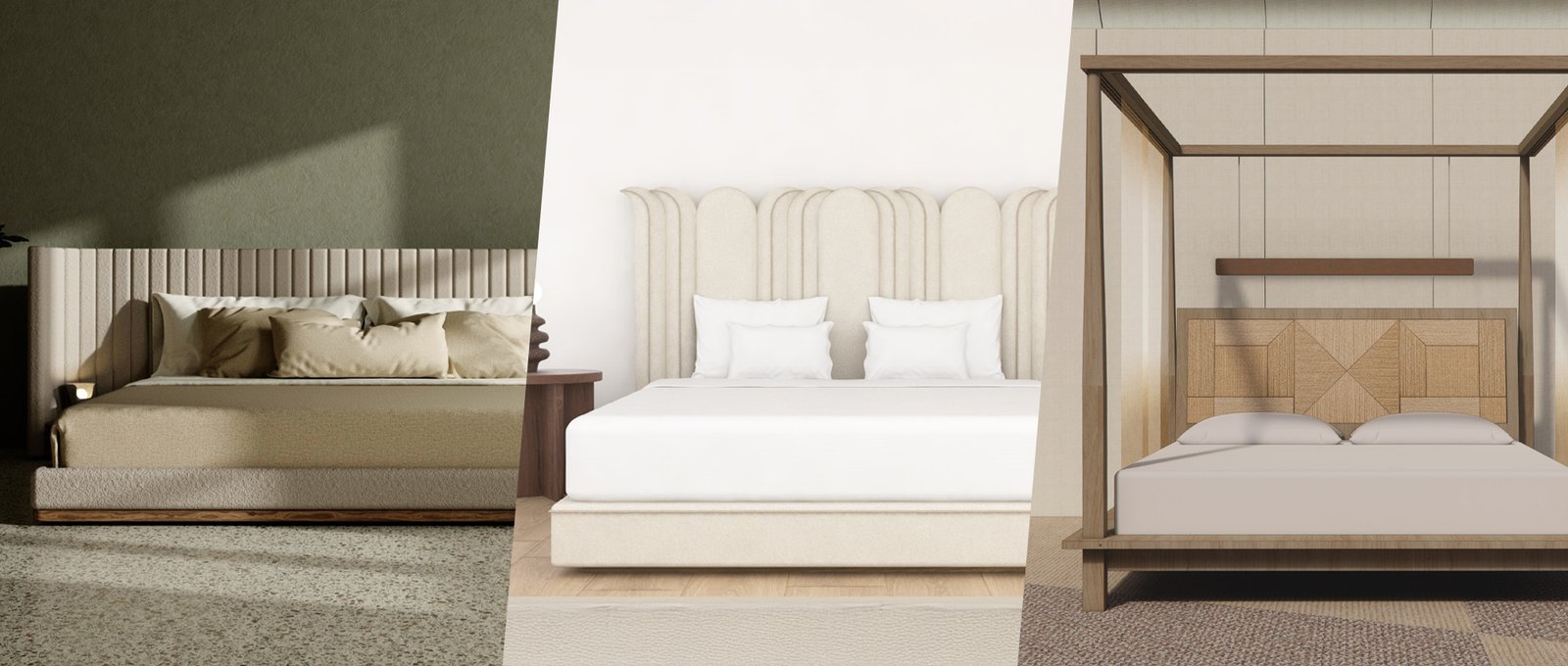
“Up to twelve hours a day”: Roger Federer has often said in interviews that sleep is one of the secrets of his success. “Sleep is an essential part of my training regimen”, he says. “That’s when the body recovers and prepares for future challenges on court.”
Sleep is important due to the many different ways it affects the mind and body. For one thing, it plays an essential role in muscle recovery. During sleep, the body releases growth hormones that help repair muscle tissue damaged during intense training sessions. This helps athletes recover faster and maximises their muscle-building potential.
Sleep is also crucial for consolidating memory and learning motor skills. Athletes have to be constantly sharpening their techniques and strategies to excel in their sport, and sleep plays a key role in the process. Studies have shown that sleep improves the brain’s ability to consolidate motor skills, enabling athletes to react faster and more accurately during matches.
In addition, sleep is closely linked to mood regulation and mental wellbeing. Not getting enough rest can often result in increased stress, anxiety and irritability, and this can have a negative impact on sports performance. Adequate sleep, on the other hand, contributes to better stress management and a positive mental attitude.
According to the Association of Tennis Professionals, sportsmen and women who get less than eight hours’ sleep a night are 68% more likely to injure themselves.
As you can see, what happens at night is just as important for a match as what happens on court during the day.

Serena Williams
“I make sure I sleep at least eight hours a night. Sleep is crucial for my mental and physical recovery, helping me to be competitive in every match I play.”
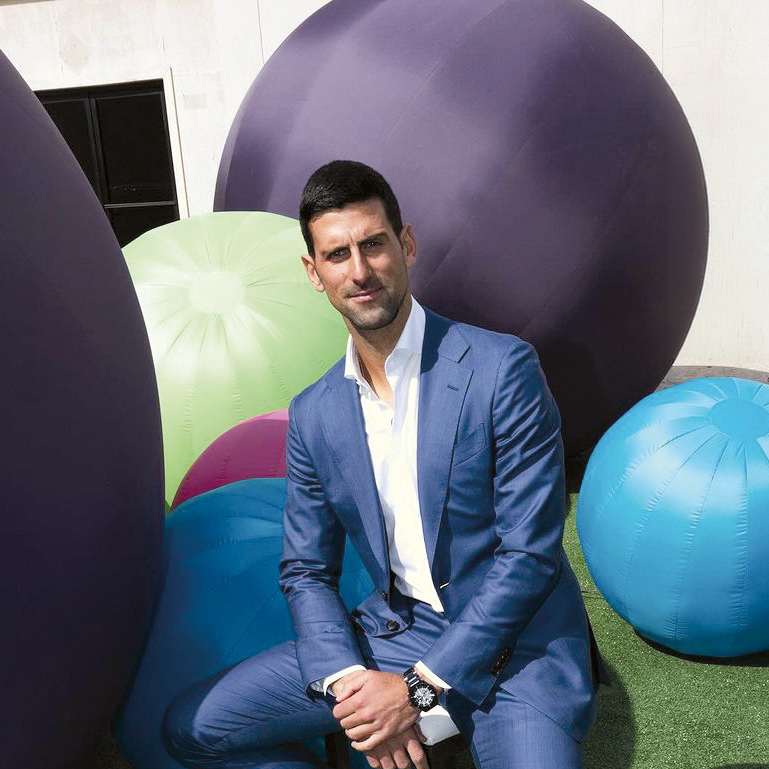
Novak Djokovic
“Sleep is one of the pillars of my performance on court. I make sure I stick to a regular sleep routine because I know it has a direct effect on my ability to play at my best.“
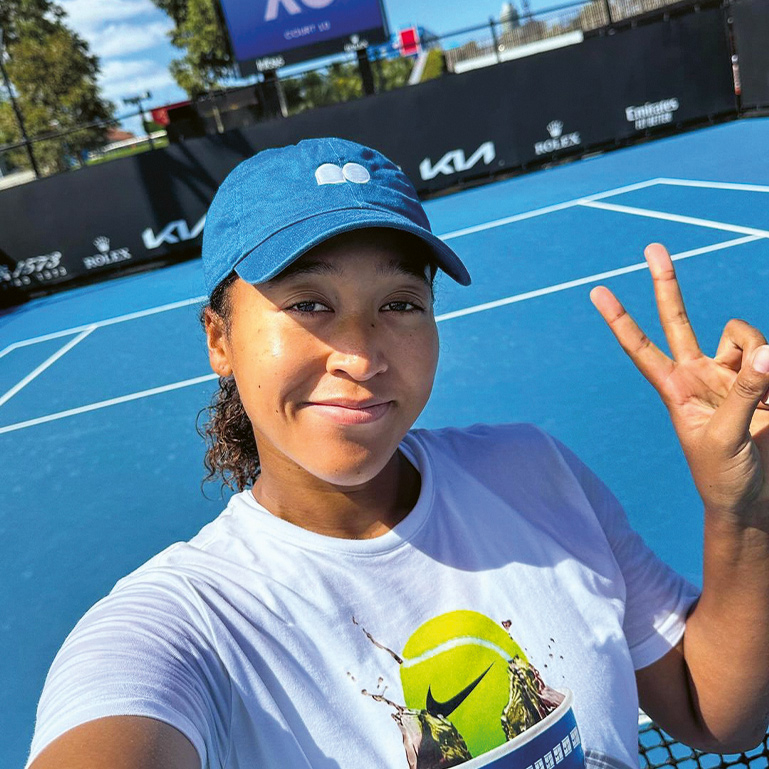
Naomi Osaka
“I take my sleep very seriously. It’s the key to keeping my concentration and energy levels up during tournaments. If I didn’t get enough sleep, I wouldn’t be able to compete at top level.”
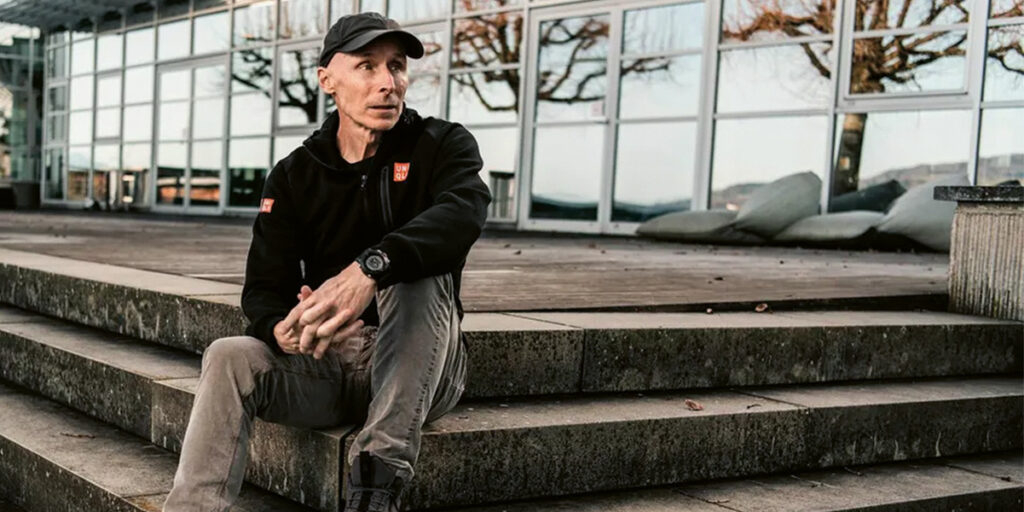
Pierre Paganini: “There’s no good recovery without good sleep”
We met Pierre Paganini (just back from a training session with Stan Wawrinka) in Lausanne. In the world of tennis, Paganini (65) is seen as one of the best athletic trainers around. As we discussed sleep with him, he exuded energy and intensity, as well as suitably professional discretion.
Is recovery holistic in nature?
The athlete has to recover, as do their muscles and the emotions of the individual themselves. What impresses me in champions is their ability to turn up at your place and act as if nothing’s wrong, even when they’ve had a bad day. A person’s recovery pace is completely different from their athletic pace. Recuperation is just as important as training. Sleep is very important too, of course; there’s no good recovery without good sleep. In tennis, you have to take into account the irregular time slots and different time zones. Players never stay longer than three weeks in one place, all year round. They know how to pace their own recovery; every athlete has their own way of managing it.
Dialogue and attentiveness are essential…
The more time goes by, the more you get the feeling that the details are what makes the difference. That’s one of Federer’s strengths: when he tells you what he’s feeling, there’s no doubt that he’s being completely transparent. Like ‘Rodger’, Stan too has a straightforward way of saying things and has always been very up-front. That’s worth its weight in gold when it comes to recovery. In the final analysis, dialogue always saves the day. We get down to the nitty-gritty, looking for the little details that could make a difference, and we get there by talking about it. The reason I’ve had the privilege of training these players for so long is that we’ve never stopped talking.
The swiss medical center’s advice on sport and recuperation
According to experts from the Swiss Olympic Medical Center at La Tour Hospital, Geneva, good recovery helps reduce pain, muscle fatigue and the risk of injury and infection, as well as the danger of overtraining. Most importantly, good recuperation is all about preparing for the next effort, too.
Here’s the experts’ advide!:
- ADOPT A MEAL PLANS
Have a snack 30-60 minutes after a training session followed by a full meal 2-4 hours later to rehydrate, replenish glycogen stocks and contribute to protein synthesis.. - SLEEP IN A COOL ENVIRONMENT
Eight to ten hours’ sleep are necessary in a dark, subdued, cool environment. Immersion in cold water improves blood flow back to the heart and reduces inflammation and muscle pain. - MANAGE YOUR STRESS
Stress and mental fatigue have a negative effect on recovery. Relaxation and stress management techniques can be helpful, as can physical exercise.